

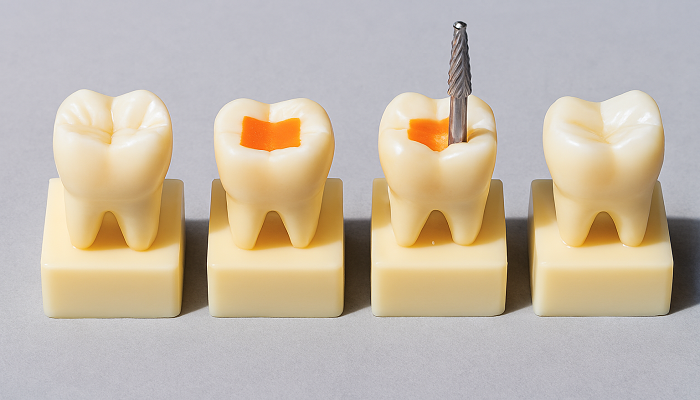
Resin Models for Training (Teeth)
Introduction
Dental education requires precise tools that allow students and professionals to practice techniques safely before working on real patients. Among these tools, resin models of teeth have become essential in modern training programs. They provide realistic anatomy, durability, and adaptability for a wide range of procedures.
What Are Resin Models?
Resin models are artificial replicas of human teeth and jaws, manufactured using high‑quality synthetic resins. These materials are chosen for their:
- Durability: Resistant to repeated drilling, cutting, and polishing.
- Accuracy: Replicating the morphology of natural teeth, including enamel, dentin, and pulp chamber structures.
- Versatility: Suitable for multiple dental disciplines such as restorative dentistry, endodontics, prosthodontics, and orthodontics.
Applications in Dental Training
Resin tooth models are widely used in:
- Cavity Preparation Practice: Allowing students to learn drilling techniques and restoration placement.
- Endodontic Training: Simulating root canal treatments with realistic canal shapes.
- Prosthodontics: Practicing crown and bridge preparations.
- Orthodontics: Demonstrating tooth alignment and bracket placement.
- Surgical Training: Providing a safe environment to practice extractions and implant positioning.
Advantages of Resin Models
- Safe Learning Environment: No risk to patients during early training stages.
- Cost‑Effective: Reusable and less expensive than cadaver or extracted teeth.
- Standardization: Ensures consistent anatomy for fair evaluation of student performance.
- Accessibility: Easily available and transportable for classroom or laboratory use.
Innovations in Resin Models
Recent developments have improved resin models by integrating:
- 3D Printing Technology: Offering customizable designs based on real patient scans.
- Layered Structures: Mimicking enamel, dentin, and pulp for more realistic tactile feedback.
- Digital Integration: Used alongside virtual simulators for hybrid training approaches.
Conclusion
Resin models for training teeth are indispensable in dental education. They bridge the gap between theoretical knowledge and clinical practice, enabling students to gain confidence and competence before treating real patients. With ongoing innovations, resin models continue to evolve, making dental training more effective, safe, and accessible worldwide.